Vestibular & Concussion Care

Get steady again.

Dizziness, vertigo, and concussion symptoms can make normal movement feel unreliable. Our vestibular care in Franklin and Spring Hill, TN identifies what is driving the problem and builds a one-on-one plan to improve balance, gaze stability, neck mobility, and confidence.

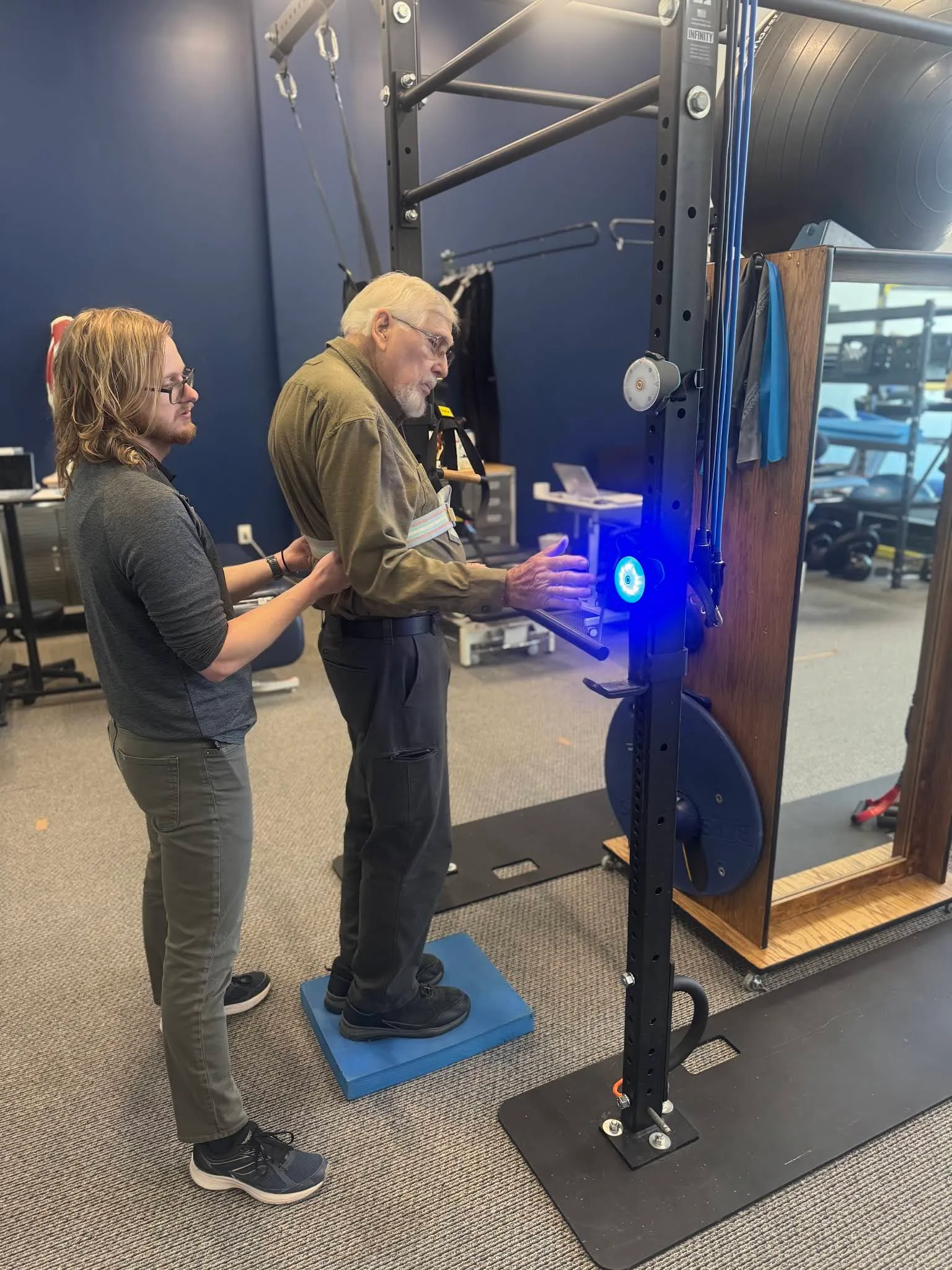
A Beyond Physical Therapy clinician guiding a patient through one-on-one movement work.

Balance, vision, and movement

Vestibular symptoms need a precise plan.

Vestibular therapy at Beyond Physical Therapy helps patients with dizziness, vertigo, imbalance, concussion symptoms, and neck-related dizziness. We look at the vestibular system, vision, cervical spine, balance, and exertion tolerance together so treatment matches the actual source of your symptoms.

This is not a generic sheet of balance exercises. It is one-on-one care with testing, symptom-guided progression, and a home plan that helps your brain and body trust movement again.

Vestibular and concussion specialist

Care with Ali Lacey.

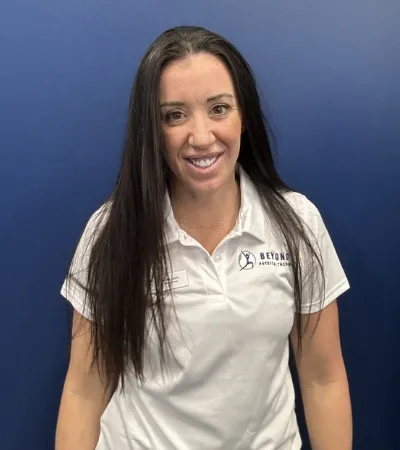
Portrait of Dr. Allison Lacey

Allison Lacey.

Doctor of PT · COMT · OCS

Allison (Ali) Lacey works with patients dealing with dizziness, vestibular dysfunction, concussion symptoms, and neck-driven dizziness. Her orthopedic background helps connect the vestibular system, cervical spine, balance, and return-to-activity progression.

Vestibular rehab Concussion care Cervicogenic dizziness Orthopedic care

What we treat

Conditions we treat.

Find your condition below to see how we approach it, from the source of pain to the plan that gets you moving again.

  1. Vestibular hypofunction

    Reduced inner-ear function can cause imbalance, motion sensitivity, and difficulty keeping vision steady while moving. Treatment focuses on gaze stability, balance, and gradual exposure to movement.

  2. BPPV

    Benign paroxysmal positional vertigo causes brief spinning sensations with head position changes. We assess the involved canal and use repositioning maneuvers when appropriate.

  3. Dizziness

    Dizziness can come from the vestibular system, neck, vision, medication changes, or multiple factors at once. We sort through the likely drivers and build a plan around what we find.

  4. Concussions

    Persistent concussion symptoms may involve dizziness, headache, visual sensitivity, balance deficits, and exertion intolerance. Rehab progresses vestibular work, neck care, and activity tolerance.

  5. Cervicogenic dizziness

    Neck-related dizziness often shows up with stiffness, headache, and symptoms triggered by head movement. Treatment pairs cervical mobility and strength work with balance and gaze exercises.

How it works

What treatment looks like.

The path from your first visit to discharge. We measure progress at every step and tell you straight what's working.

  1. Step 1: Symptom history

    We start with a detailed history of dizziness triggers, concussion timeline, headache patterns, falls, neck symptoms, and what activities you are avoiding.

  2. Step 2: Vestibular and balance testing

    Your therapist assesses eye movement, gaze stability, balance, positional vertigo signs, neck mobility, and movement tolerance.

  3. Step 3: Targeted treatment

    Depending on the cause, care may include canalith repositioning, gaze-stability training, balance work, cervical manual therapy, and graded movement exposure.

  4. Step 4: Home progression

    Vestibular rehab works best when the right exercises are repeated at the right dose. We give you a plan that is specific enough to help and paced enough to avoid flare-ups.

  5. Step 5: Return to activity

    As symptoms improve, we progress walking, lifting, sport, screen tolerance, and exertion so your daily life feels reliable again.

Common questions.

If we missed yours, call us. We'll talk it through over the phone before you book.

Related services

More of what we do.

Our doctors handle a full range of conditions and rehab paths. Pick what's relevant to you.

Ready when you are

Book a free 15-minute consult.

Talk to a Doctor of Physical Therapy. We'll tell you whether we can help — and if we can't, we'll tell you who can. No referral needed.