Pelvic Floor & Women's Health

Specialized pelvic care.

Pelvic floor dysfunction affects up to 25% of women, and pelvic pain affects nearly 20% of American adults. Our Pelvic Health Physical Therapists in Franklin and Spring Hill, TN treat the full range of pelvic conditions for women, men, and postpartum patients.

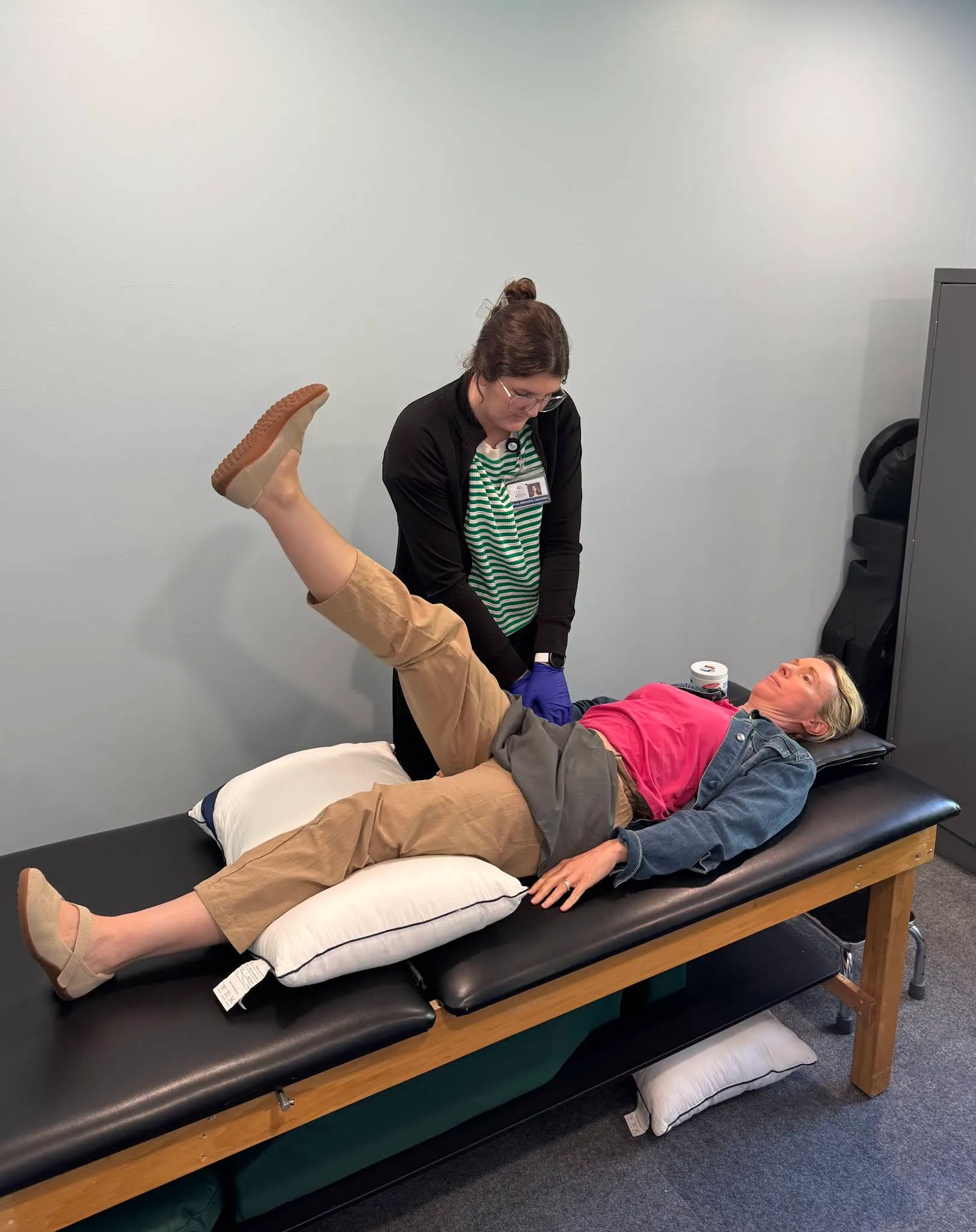
A Beyond Physical Therapy clinician providing one-on-one treatment in a private clinic room.

Pelvic health, with privacy

One-on-one with a specialist.

Pelvic floor physical therapy at Beyond Physical Therapy treats the full range of pelvic health concerns. Pelvic floor dysfunction, urinary and fecal incontinence, urinary retention, prolapse, chronic pelvic pain, sexual dysfunction, constipation, postpartum recovery, and men’s pelvic health.

Our Pelvic Health Physical Therapists are specifically trained in this work and use a combination of pelvic floor exercises, biofeedback, manual therapy, scar mobilization, relaxation training, and electrical stimulation when appropriate. Treatment is one-on-one, in a private setting, with your comfort and consent leading every step.

This pelvic-health hub brings together care for incontinence, constipation, urinary retention, diastasis recti, pubic symphysis pain, pain with intercourse, pregnancy support, postpartum recovery, post-surgical care, prolapse, SI joint pain, tailbone pain, pudendal neuralgia, men’s health, and Beyond the Bump.

Pelvic Health PT specialists

Trained in pelvic floor care.

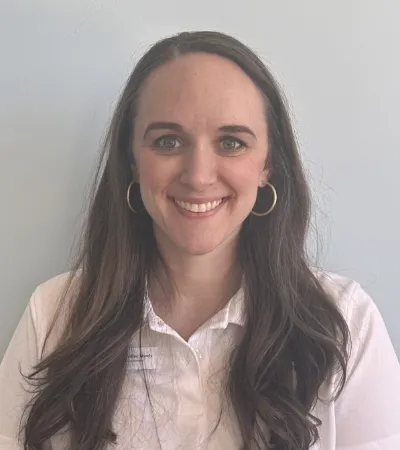
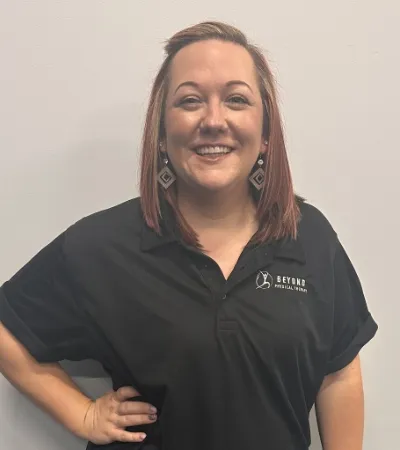
Portrait of Dr. Megan Tisdale

Megan Tisdale.

Doctor of PT · COMT · Pelvic Health

Dr. Megan Tisdale is a Pelvic Health Physical Therapist trained specifically in pelvic floor dysfunction, postpartum recovery, and women's health. She holds advanced certifications in orthopedic manual therapy and dry needling, and works with patients across the full range of pelvic health concerns.

Pelvic floor Postpartum recovery Manual therapy Dry needling

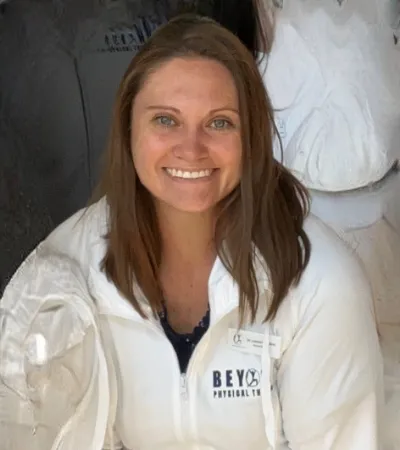
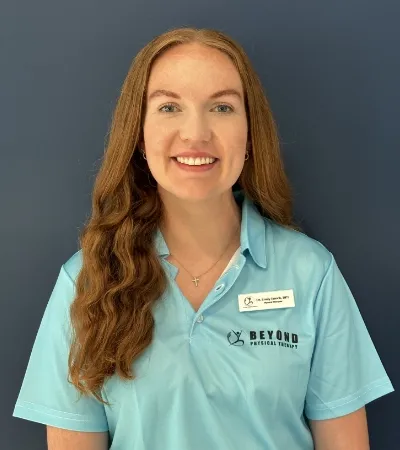
Pelvic health care is also available with Emily Enoch in Spring Hill and Lauren Hamilton, Caroline Hardy, and Megan Tisdale in Franklin.

What we treat

Conditions we treat.

Find your condition below to see how we approach it, from the source of pain to the plan that gets you moving again.

  1. Pelvic floor dysfunction

    The inability to control the muscles of your pelvic floor. Often caused by childbirth, surgery, nerve damage, or traumatic injury. Symptoms include urinary urgency, constipation, lower back pain, and pelvic pressure.

  2. Urinary incontinence

    Stress incontinence (leaking with exercise, lifting, laughing, coughing, sneezing), urge incontinence (sudden urgency), overflow incontinence, and functional incontinence. Treated with strengthening, dynamic exercises, dietary modifications, and bladder tracking.

  3. Urinary retention

    Difficulty fully emptying the bladder, frequent bathroom trips, or a persistent feeling that you still need to go. We work on pelvic floor coordination, relaxation, posture, and bladder habits.

  4. Pelvic organ prolapse

    Weakening of pelvic tissues and pelvic floor muscles, often after childbirth or chronic constipation, allowing organs to descend. Treated with manual therapy, targeted strengthening, and home exercises.

  5. Diastasis recti

    Separation of the rectus abdominis along the center seam, common during and after pregnancy. Stage-specific therapeutic exercises, stretches, and manual therapy to restore core integrity.

  6. Postpartum recovery

    Pelvic floor dysfunction, incontinence, low back pain, diastasis recti, and pelvic pain after birth. Includes our structured Beyond the Bump program covering the first months home with baby.

  7. C-section scar care

    Scar mobility work and gentle loading for pulling, restriction, back pain, or abdominal discomfort after cesarean delivery.

  8. Episiotomy and perineal scar care

    Pain, tenderness, or restriction after tearing or episiotomy. Manual therapy, relaxation work, and gradual return to sitting, movement, and intimacy.

  9. Pregnancy support

    Managing back, hip, and pelvic pain during pregnancy. Preparing the pelvic floor for delivery and minimizing the risk of birth-related complications.

  10. Pubic symphysis pain

    Pain at the front of the pelvis during pregnancy or postpartum, often worse with walking, stairs, or one-legged movements. Manual therapy, support belt education, and gradual reintroduction of loading.

  11. SI joint and tailbone pain

    Sacroiliac joint dysfunction and tailbone pain. Often related to pregnancy, postpartum changes, or fall-related injury. Manual therapy and targeted stabilization work.

  12. Pain with intercourse

    Discomfort or pain during intimacy from scar tissue, muscle tension, hormonal changes, or pelvic floor tightness. Hands-on work, relaxation training, and a tailored home program.

  13. Constipation and bowel issues

    Chronic constipation, fecal incontinence, and bowel coordination problems. Treated through pelvic floor relaxation, postural work, toileting mechanics, and dietary education.

  14. Post-surgical pelvic care

    Recovery after hysterectomy, prolapse repair, prostatectomy, C-section, episiotomy, or other pelvic surgeries. Coordinated with your surgeon's protocol.

  15. Pudendal neuralgia

    Pain along the pudendal nerve causing pelvic, perineal, or genital discomfort. Manual nerve work, postural changes, and graded exercise.

  16. Men's pelvic health

    Prostatitis, post-prostatectomy recovery, pudendal neuralgia, and pelvic floor dysfunction in men. Focus on strength, endurance, flexibility, and motor control of the pelvic floor muscles.

A program for new moms

Beyond the Bump.

A four-session postpartum recovery program designed to fit into the life of a busy new mom, with flexible in-clinic and virtual support. We cover urinary incontinence, diastasis recti, musculoskeletal pain, painful intercourse, and C-section recovery. You'll also have access to text check-ins for quick guidance between visits.

  • Visit 1 (in-clinic): Full-body assessment and personalized recovery plan
  • Visit 2 (virtual or in-clinic): Guided recovery with a pelvic health PT
  • Visit 3 (virtual or in-clinic): Continued strength work and posture education
  • Visit 4 (in-clinic): Progress review and safe return-to-exercise plan
  • Text check-ins between visits for quick guidance and encouragement
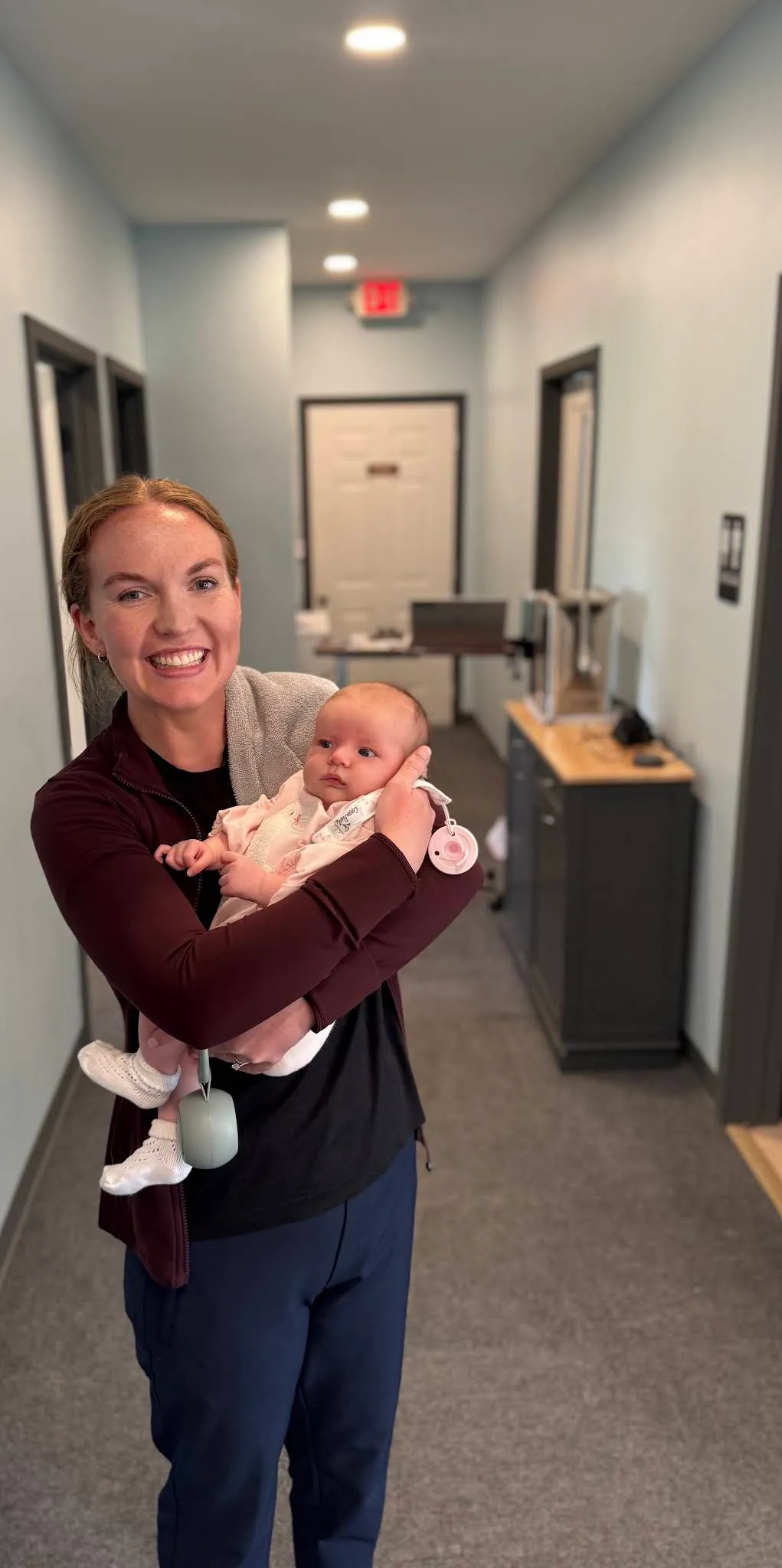
A Beyond Physical Therapy clinician holding a baby in the Spring Hill clinic.

How it works

What treatment looks like.

The path from your first visit to discharge. We measure progress at every step and tell you straight what's working.

  1. Step 1: Comprehensive evaluation

    We start with a thorough medical history review, gait and movement assessment, and a pelvic floor evaluation in a private, comfortable setting.

  2. Step 2: Hands-on manual therapy

    Internal and external manual techniques to address muscle tension, scar tissue, adhesions, trigger points, and nerve irritation contributing to your symptoms.

  3. Step 3: Pelvic floor strengthening or relaxation

    The right work depends on your condition. Some patients need to strengthen weakened muscles. Others need to relax overly tight muscles. We assess and prescribe accordingly.

  4. Step 4: Functional and dynamic exercise

    Once the basics are in place, we rebuild strength in functional positions. Lifting, squatting, walking, sport-specific activity, life with kids.

  5. Step 5: Home program and education

    A specific home routine you continue between visits, plus education on bladder habits, posture, lifting mechanics, and long-term self-management.

  6. Step 6: Beyond Connections support

    Between-visit access to a physical therapist to answer clinical questions between sessions, so small questions do not turn into stalled progress.

Common questions.

If we missed yours, call us. We'll talk it through over the phone before you book.

Related services

More of what we do.

Our doctors handle a full range of conditions and rehab paths. Pick what's relevant to you.

Ready when you are

Book a free 15-minute consult.

Talk to a Doctor of Physical Therapy. We'll tell you whether we can help — and if we can't, we'll tell you who can. No referral needed.