
Treating Rotator Cuff-Related Shoulder Pain: What You Need to Know
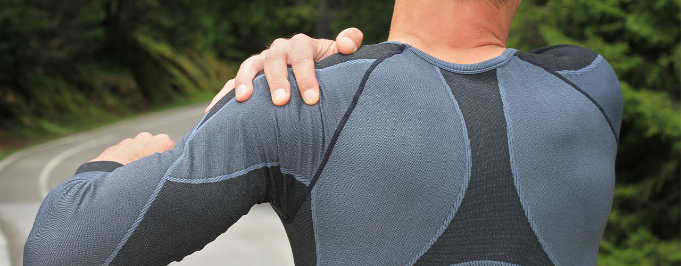
Rotator cuff-related shoulder pain (RCRSP) is a common complaint among people who are physically active or engage in overhead sports like baseball and tennis. This condition is caused by inflammation, strain, or a tear in the rotator cuff, which comprises four muscles that control the movement and stability of the shoulder joint.
In the previous article, we discussed how to assess RCRSP and the differential diagnosis. In this article, we’ll focus on the treatment options for this condition, that we can help you with in-office. When treating rotator cuff injuries or pain, it’s important to work with a Franklin physical therapist who can properly assess and help you.
Assessing Your Deficits and Goals
When we’re treating RCRSP, we first have to consider your deficits and goals to bridge the gap between your current state and where you want to end. As a Franklin physical therapist, the most common issues I see in my patients with RCRSP include limited shoulder range of motion, decreased strength in the affected shoulder and scapular muscles, increased tone in neck accessory muscles, limited thoracic extension, and rotation mobility.
Treating the Problem from Bottom to Top
If you’re experiencing any of these symptoms, before we start on any treatment, we need to take a pause. Activity modification is a crucial component of the rehab process, which can involve reducing activity levels to a tolerable level that allows symptoms to calm down. This can be temporary while we allow you to heal, and then we’ll slowly build things up and ease you into activity.
Decreased Hip Abductor and External Rotation Strength
In athletes who rely on rotation, decreased rotary power generated from the hip means more pressure is placed on the shoulder to generate the rotary power required. This issue is commonly observed in baseball players and golfers. So, what can we do? While it may sound strange, we actually need to work on your hips. Clamshells can be a starting point, but they tend to be overused and have limitations. Instead, we’ll shift to banded clamshells, monster walks, and hip airplanes. Incorporating the element of corkscrewing the legs into the floor when doing squat or deadlift variations can incorporate these muscles in a less “isolationist” manner.
Decreased Thoracic Extension and Rotation ROM
Limited thoracic range of motion can be a significant factor in limiting your ability to get your arms overhead and/or out to the side. Simple PPIVMs can be helpful in improving thoracic mobility, while thoracic extension PNF drills can also be beneficial. When you work with one of our physical therapists, we’ll do multiple rotation exercises to improve thoracic mobility.
Increased Tone in Neck Accessory Muscles
Stretches, soft tissue work, and contract/relax techniques can reduce tone in the neck accessory muscles, assuming they are just tight and not painful. Self-soft tissue techniques can also help. Kinesiotaping is not scientifically proven to be effective for people with shoulder pain, but we may use it if you also struggle with neck tightness. Those who tend to shrug their shoulders excessively when lifting their arm up and/or when sitting often do struggle with tight necks.
Decreased Strength in Shoulder and Scapular Muscles
If you have RCRSP, you may also have limitations in scapular and shoulder strength, and there is value in strengthening exercises. Simple exercises like shoulder flexion, abduction, internal rotation, and external rotation within a tolerable range of motion are reasonable enough to do. Over time, our goal will be to progress the range of motion of the exercises.
In addition to rotator cuff exercises, exercises that target the scapular muscles such as scapular retraction, scapular protraction, scapular depression, and scapular elevation can also be helpful. Strengthening the scapular muscles is crucial as they are responsible for maintaining proper shoulder mechanics during shoulder movements.
Reduced Shoulder Range of Motion

Limited shoulder range of motion is one of the most common issues seen in people with RCRSP. The limited range of motion is often seen in flexion, abduction, external rotation, and hand behind the back. We’ll assess the range of motion limitations that you have and identify the specific shoulder movements that are affected.
There are various exercises that can be used to improve shoulder range of motion. Passive range of motion exercises such as pendulum exercises can be useful in improving the range of motion of the shoulder. Active assisted range of motion exercises such as assisted shoulder flexion, external rotation, and abduction can also be helpful. It is essential to progress the exercises over time, to improve the range of motion of the shoulder gradually. This is why it’s so important to do it under the watch of a physical therapist.
Hire The Best Physical Therapist In Franklin
Activity modification is a crucial component of recovering from RCRSP. Reducing activity levels to a tolerable level that allows symptoms to calm down and then slowly building things up can be useful.
We believe in empowering you to self-manage your symptoms is an essential component of treatment. We’ll employ a multifaceted approach that addresses the specific needs of your rotator cuff pain. If you’re ready to feel better and heal, contact Beyond Physical Therapy today. We’re the top physical therapists in Franklin and the Nashville Metro. Contact us today at (629) 239-3170 to book an appointment.