
Restoring Equilibrium: The Essentials of Vestibular Rehabilitation Therapy
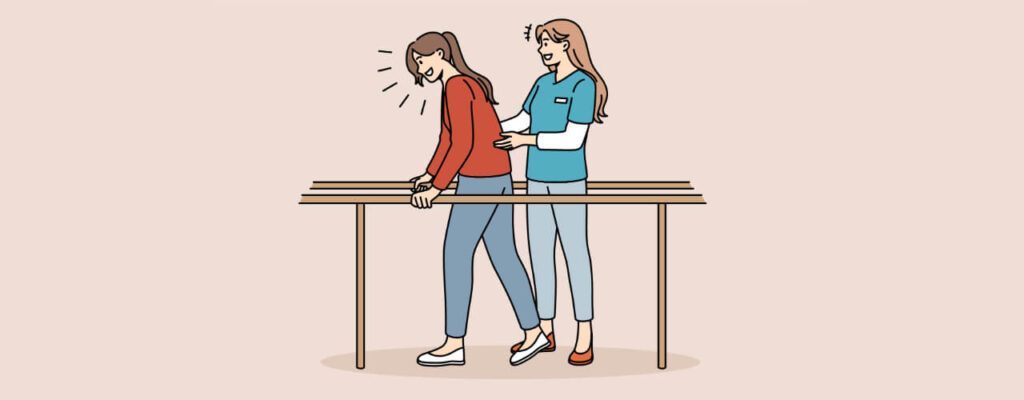
Balance is essential for safe and comfortable movement, yet for many, balance disorders can make daily life challenging and uncomfortable. Vestibular rehabilitation therapy offers a targeted, effective approach to managing these issues, helping people regain their equilibrium and confidence. This specialized therapy focuses on reducing dizziness, improving stability, and enhancing spatial orientation for those dealing with balance issues or vestibular system dysfunction. At Beyond Physical Therapy, we offer personalized vestibular rehabilitation therapy to restore stability, relieve symptoms, and help patients regain their quality of life.
What Is Vestibular Rehabilitation Therapy?
Vestibular rehabilitation therapy (VRT) is a type of physical therapy that addresses balance problems related to the vestibular system. The vestibular system, located in the inner ear, plays a critical role in balance and spatial orientation. When this system is impaired—whether due to injury, illness, or age-related changes—individuals can experience dizziness, vertigo, and unsteadiness, making it challenging to maintain stability.
The primary goal of VRT is to retrain the brain to interpret signals from the inner ear and other sensory inputs. By improving the connection between the brain and the body’s balance mechanisms, VRT helps to alleviate symptoms and improve coordination, restoring a sense of stability for those affected by vestibular disorders.
Core Components of Vestibular Rehabilitation Therapy
VRT uses a range of exercises tailored to each patient’s specific balance issues, aiming to reduce dizziness, improve balance, and increase the body’s ability to handle movement without discomfort. Here are some of the core components commonly included in VRT:
Gaze Stabilization Exercises:
- Gaze stabilization exercises help patients improve their ability to focus on stationary objects while moving their heads. These exercises work by training the eyes and inner ear to coordinate more effectively, which reduces dizziness and improves stability. For example, a common gaze stabilization exercise might involve focusing on a fixed target while moving the head from side to side. This movement helps the brain recalibrate its interpretation of head movement, reducing dizziness over time.
Balance and Coordination Exercises:
- Balance exercises play a crucial role in vestibular rehabilitation therapy by retraining the body to respond to changes in position and movement. Patients may practice standing on one leg, walking in a straight line, or moving from side to side. These exercises challenge the body’s balance system, gradually enhancing stability and improving confidence. The movements also stimulate the brain to adjust to new ways of maintaining balance, even in challenging situations.
Habituation Exercises:
- Habituation exercises are designed to decrease the body’s sensitivity to motion. For individuals who experience dizziness due to specific head or body movements, habituation exercises expose them to these movements in a controlled and gradual way. For instance, a patient may perform gentle head-turning exercises to build tolerance over time. As the body adapts, dizziness and sensitivity to these movements decrease, leading to a reduction in overall symptoms.
By combining these core components, vestibular rehabilitation therapy helps individuals regain their sense of equilibrium. Each exercise is adjusted to suit the patient’s needs and abilities, providing an individualized approach that encourages steady progress.
Achieving Stability with Vestibular Rehabilitation Therapy
For those dealing with balance disorders, vestibular rehabilitation therapy provides an effective path to symptom relief and restored equilibrium. By focusing on exercises that improve coordination, stability, and gaze control, VRT helps individuals move with comfort and confidence. At Beyond Physical Therapy, our experienced therapists offer customized vestibular rehabilitation programs tailored to each patient’s unique needs. Contact us today to learn how our approach to vestibular rehabilitation therapy can help you regain your balance and improve your quality of life!